

Blog
Nourishing little minds: Why healthy menus matter in the early years
By the NUTRIBE Nutrition Experts
The NUTRIBE Nutrition Experts are highly skilled, qualified and carefully vetted health professionals with specialist expertise in nutrition and natural health. They have reviewed and assessed our new Autumn/Winter menu, which will be launching across our nurseries shortly.
In this blog, the NUTRIBE Nutrition Experts share their expertise to help families understand the importance of nutrition in the early years and how varied, balanced nursery meals can support children’s growth, wellbeing and healthy eating habits.
Nourishing little minds
The early years are a remarkable period of growth, learning and discovery. Children are developing rapidly, physically, emotionally and cognitively, while also forming some of their earliest experiences with food.
That makes nursery nutrition about much more than simply serving a balanced plate. It is about helping children feel comfortable around food, experience a wide range of tastes and textures, and gradually build a positive relationship with eating.
At Kindred Nurseries, this is reflected in the way menus are developed, reviewed and continually refined to support both nutrition and everyday enjoyment.
Kindred’s Autumn/Winter menus have been independently reviewed and assessed by NUTRIBE Nutrition Experts, with consideration given to nutritional balance, variety, key nutrients, practical food swaps and how the menu works within a real nursery environment.

From nutritional guidance to everyday meals
The Early Years Foundation Stage (EYFS) statutory framework, alongside associated early years nutrition guidance, provides an important foundation for supporting healthy, balanced and nutritious food provision in early years settings. But in practice, good nursery food needs to do several things at once. It needs to provide children with the energy and nutrients they need to grow, play and learn. It also needs to be familiar enough to be accepted, varied enough to broaden their food experience, practical for nursery kitchens and suitable for the realities of allergies, dietary needs and busy mealtimes. This means looking at the menu as a whole rather than judging individual dishes in isolation.
Across a week, children benefit from experiencing a broad range of foods including vegetables, fruit, wholegrains, pulses, fish, dairy foods, healthy fats and different sources of protein. Variety matters because every food brings something different. Oats, lentils, beans, chickpeas, seeds, vegetables, wholegrains and foods such as quinoa all contribute different fibres and nutrients. Fish such as sardines, mackerel and trout can help provide useful omega 3 fats, while foods such as avocado and seeds can help broaden the range of healthy fats offered.
The goal is not to make meals complicated.
Often, some of the most useful nutritional improvements are simple ones: adding a different grain, introducing another type of fish, using sweet potato alongside white potato, adding seeds to a familiar breakfast or increasing the variety of pulses across the week.
Why food diversity matters
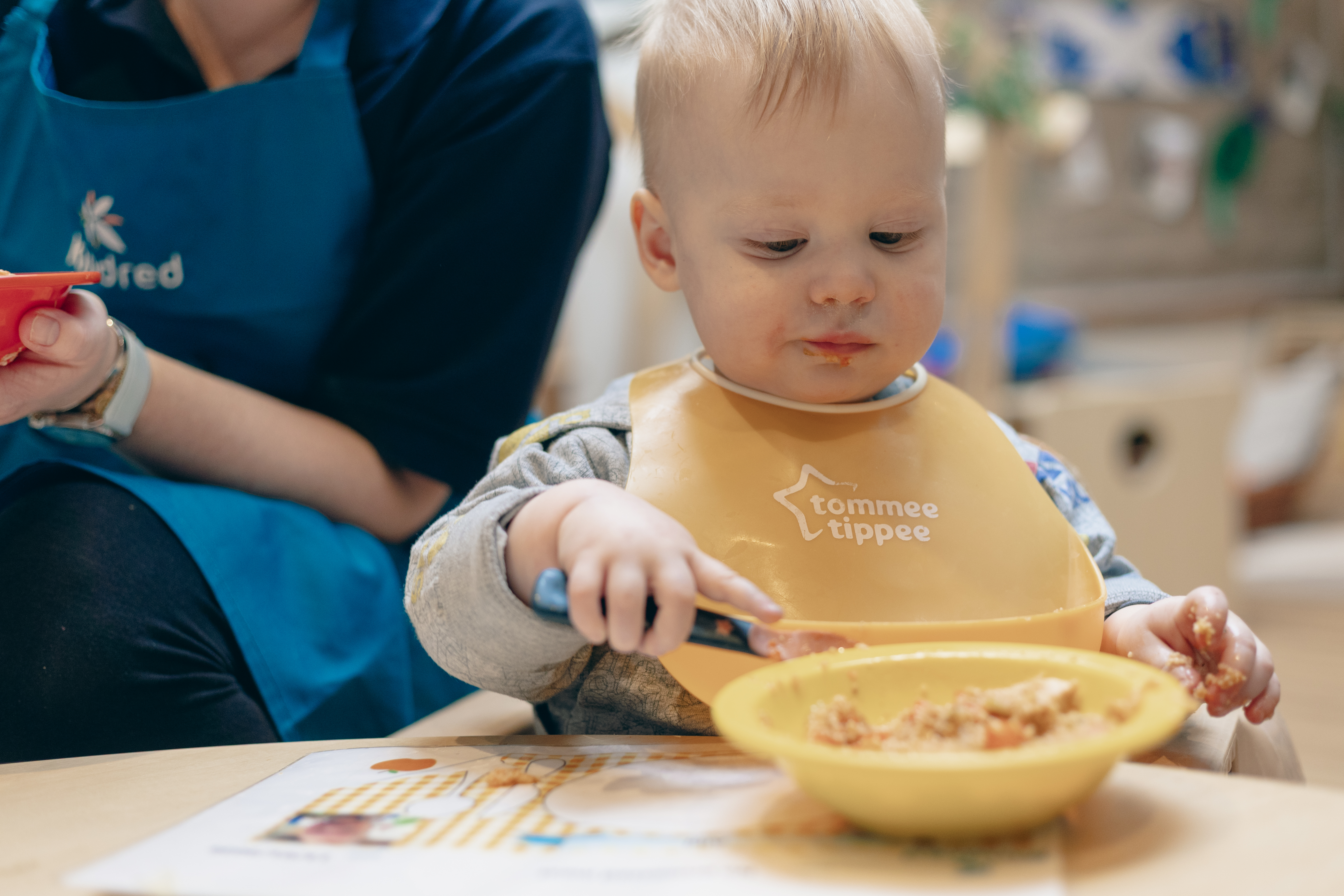
Children learn about food through repeated experience. A new food can feel unfamiliar simply because it looks, smells or tastes different. That does not necessarily mean a child will never like it. Offering variety gradually helps children build familiarity over time. This could mean seeing avocado on toast, trying a different grain alongside a familiar meal, encountering lentils in a cottage pie or tasting a new type of fish in a well known 1 pasta dish. The important thing is that variety becomes part of normal everyday eating. And this matters for more than just taste.
Food diversity and the developing microbiome
Early childhood is also an important period in the development of the gut microbiome, the community of microorganisms that lives within the digestive system.
Diet is one of several factors that helps shape this developing ecosystem. Different plant foods provide different fibres and plant compounds, which can provide a variety of substrates for gut microbes. This is one reason why a diverse menu can be so valuable. Foods such as: oats, beans, lentils, chickpeas, vegetables, fruit, seeds, wholegrains and quinoa all contribute something different. The aim is not to overload every meal with multiple ingredients.
In fact, for young children, that can sometimes make food less appealing. Instead, the focus is on diversity across the week and over time. That allows children to experience a broader range of foods while still keeping meals familiar and enjoyable.
Helping children build a positive relationship with food
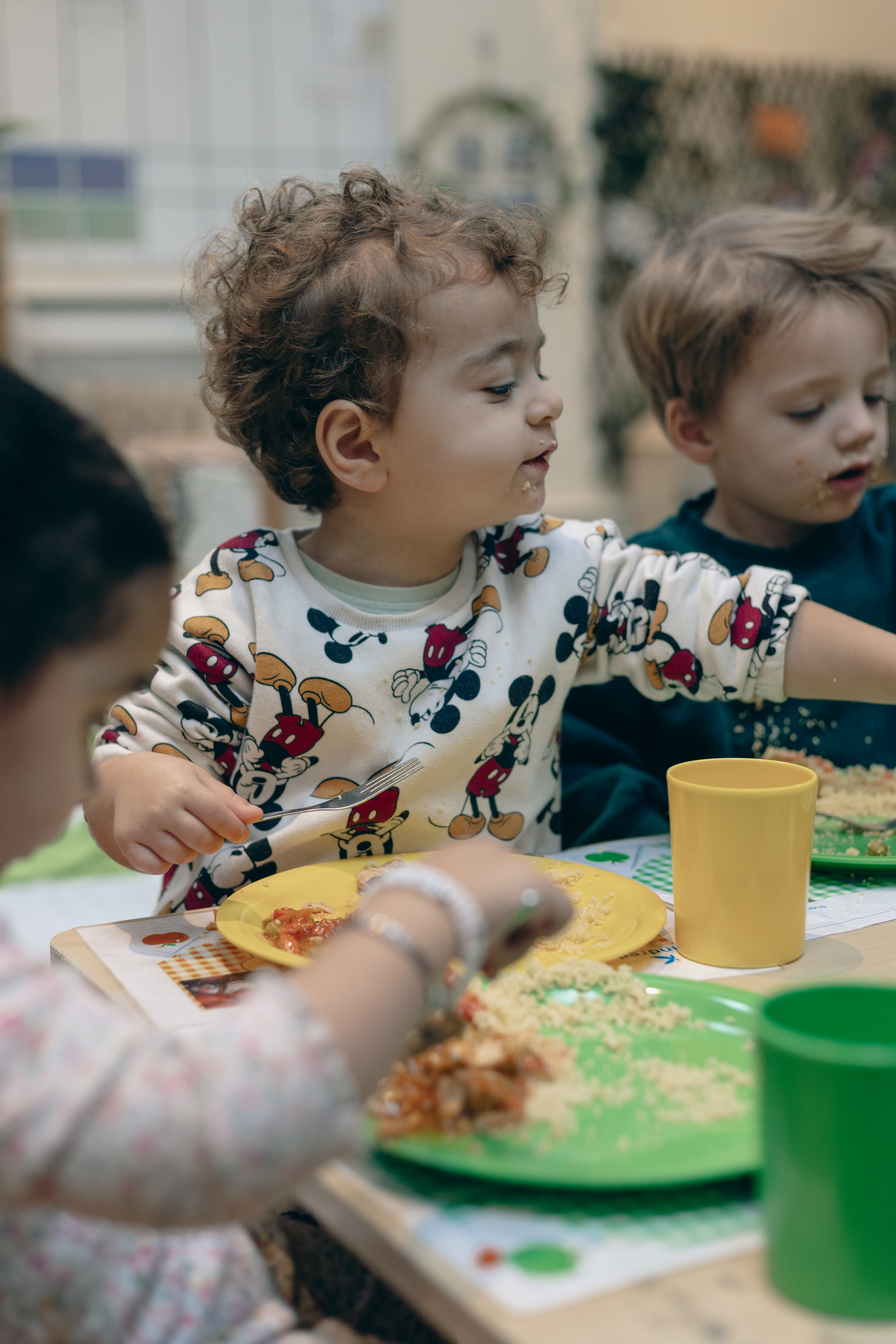
A healthy relationship with food does not mean expecting children to eat everything they are offered. Young children naturally develop preferences, and it is common for them to be cautious around unfamiliar foods. What matters is creating a relaxed environment where food can be explored without unnecessary pressure. Repeated exposure can help new foods become more familiar. Sometimes success is simply a child seeing, touching, smelling or tasting something new. Over time, those small experiences can build confidence.
This is why familiar foods are useful when introducing something different. A familiar potato dish might gradually include sweet potato. A familiar tomato pasta might include a different type of fish. A familiar breakfast might include oats, linseed or chia. The intention is not to disguise food, but to make new experiences feel manageable.
Mealtimes are part of learning too
Food also plays an important role in the wider learning environment.
Mealtimes can support:
- Communication
- Social interaction
- Independence
- Curiosity
- Sensory development
- Understanding where food comes from
Children can talk about colours, textures, flavours and ingredients. They can notice differences between foods, learn new words and become curious about what they are eating.
Food can also provide a natural introduction to different cultures and traditions. In this way, mealtimes become more than simply a nutritional event. They become part of the child’s everyday learning.
Independent review and reassurance for parents
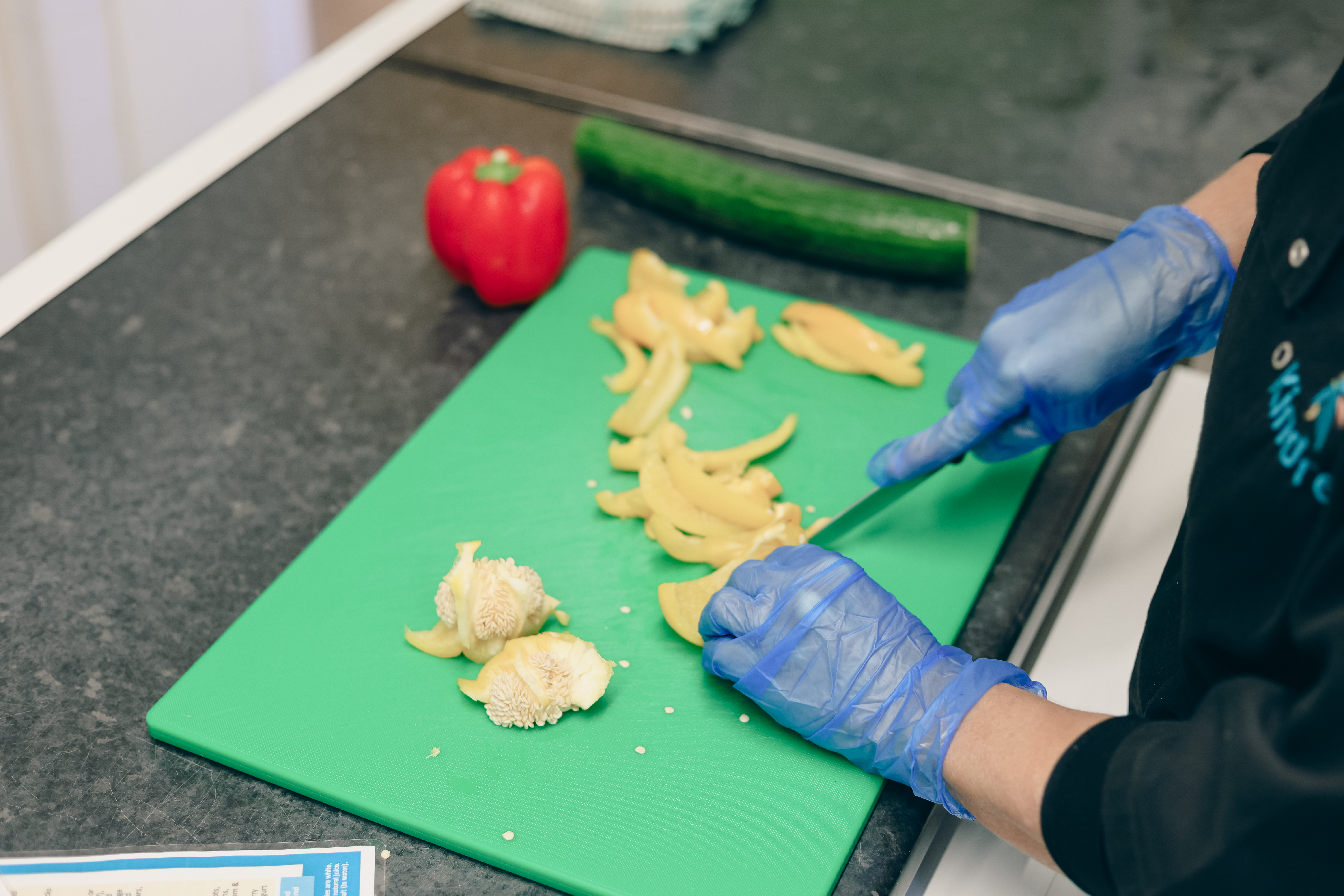
For parents, knowing that a nursery menu has undergone an independent professional review can provide an additional layer of reassurance.
Kindred’s menus now feature the NUTRIBE Healthy & Nutritious Menu - Reviewed & Assessed status. This confirms that the specified menu has been independently reviewed and assessed by NUTRIBE Nutrition Experts against agreed criteria and relevant guidance available at the time of review.
It is not an Ofsted, government or regulatory accreditation, but an independent professional nutrition review of the menu itself. The value of this process is not simply in having a logo on a menu. It is in taking time to reflect on what children are being offered, where variety can be strengthened and how nutritional guidance can be translated into everyday food that children can actually enjoy.
Looking ahead
Good early years nutrition is about creating strong foundations. It is about nourishing growing bodies and developing minds, while also giving children the opportunity to experience variety, explore new foods and build confidence around eating. When nutrition, practical menu planning and positive food experiences come together, mealtimes can become an important part of helping children grow, learn, explore and thrive. Sometimes, the biggest difference comes from the smallest changes on the plate.

Find out more about the NUTRIBE Nutrition Experts.