
Making the Most of Shorter Days: Simple Autumn Activities for Little Explorers
As the days grow shorter and autumn brings a wonderful change of colours, there’s still plenty of awe and wonder waiting to be discovered outdoors. Explore three simple autumn activities to enjoy with your little one, from colourful nature hunts to creative crafts, each designed to spark curiosity, encourage independence and support learning through play.
Jump to:
Autumn Colour Hunt
Natural Autumn Art
Pinecone Bumblebee Craft
As the days grow shorter, the air turns cooler and the leaves begin to change colour, it can be tempting to spend a little more time indoors. But autumn is full of wonderful opportunities for our little explorers to get outside, discover something new and enjoy the changing seasons.
At Kindred, we believe there's no such thing as bad weather, just the wrong clothes! Whether it's splashing through puddles, collecting colourful leaves or spotting the first signs of winter, getting outdoors is a wonderful way to nurture children's curiosity, confidence and love of learning.
You don't need to travel far or plan an elaborate day out. Sometimes, the most exciting discoveries are waiting in your garden, local park or on the walk home from nursery.
So, grab those wellies, wrap up warm and discover three simple autumn activities to enjoy with your little one, each offering opportunities to support their development and learning through play.
Read more about the Kindred Pedagogy
1. Autumn Colour Hunt: Exploring Colours, Patterns and Nature
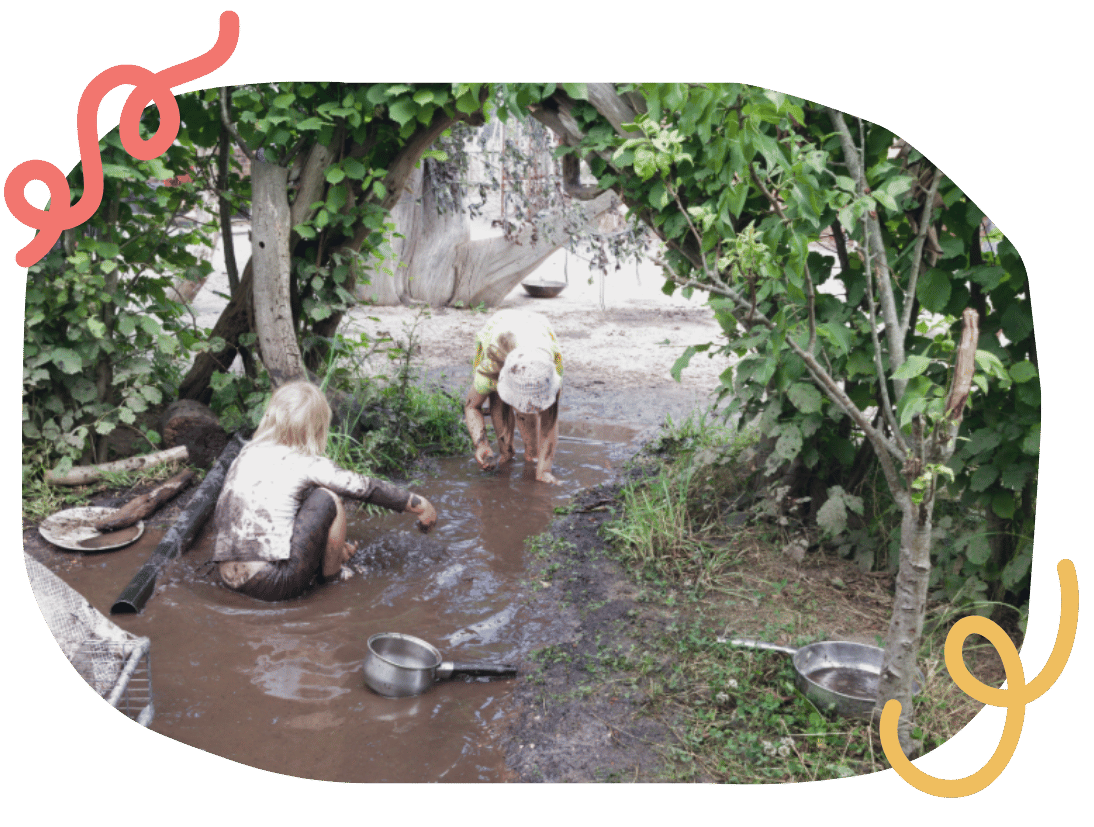
Autumn is a wonderful time for children to explore the changing natural world. As leaves turn from green to shades of yellow, orange and brown, everyday outdoor spaces become full of opportunities to observe, compare and discover.
An autumn colour hunt is a simple activity that can be enjoyed in your garden, at a local park or even during the walks you take every day.
Encourage your little one to look for different colours in their surroundings, collecting a few fallen leaves, pinecones or other natural treasures along the way. They might notice that some leaves are still green, while others have already changed colour, or discover that two leaves from the same tree look completely different. Let your child's curiosity lead the way, giving them the freedom to explore whatever catches their attention and make their own discoveries along the way.
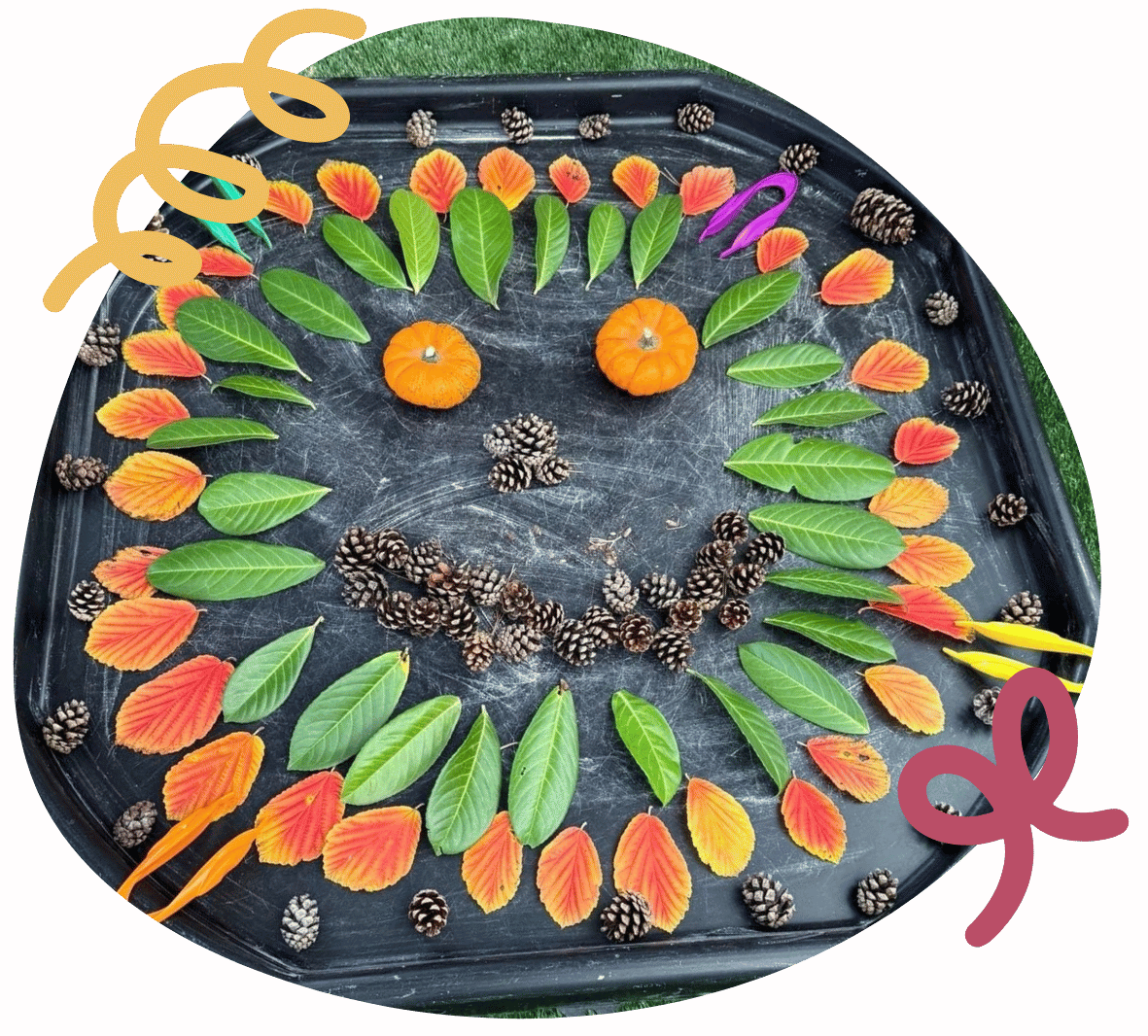
Once they've gathered a small collection, invite them to sort their findings into groups. They could organise leaves by colour, arrange them from smallest to largest or create patterns using different shapes and textures.
For children who enjoy discovering and matching colours, our autumn colour hunt activity sheet offers another way to explore and identify the colours found in nature.
Download our Autumn Colour Hunt activity sheet
How Does an Autumn Colour Hunt Support Children's Development?
Exploring the natural world helps children develop their understanding of the world. By observing seasonal changes, children begin to recognise patterns in nature and develop an understanding of how their environment changes over time.
- Curiosity and discovery: Exploring the changing colours of autumn encourages children to notice new things, ask questions and discover more about the natural world.
- Communication and language: Talking about the colours, shapes and textures they find helps children build their vocabulary and share their ideas.
- Independence and confidence: Allowing your little one to choose what they collect and explore helps them take the lead in their own learning.
- Observation and problem-solving: Comparing leaves and spotting similarities and differences encourages children to look more closely and think for themselves.
2. Natural Autumn Art: Encouraging Creativity and Independence
Once you've collected some autumn treasures, they can become the starting point for a whole new learning experience.
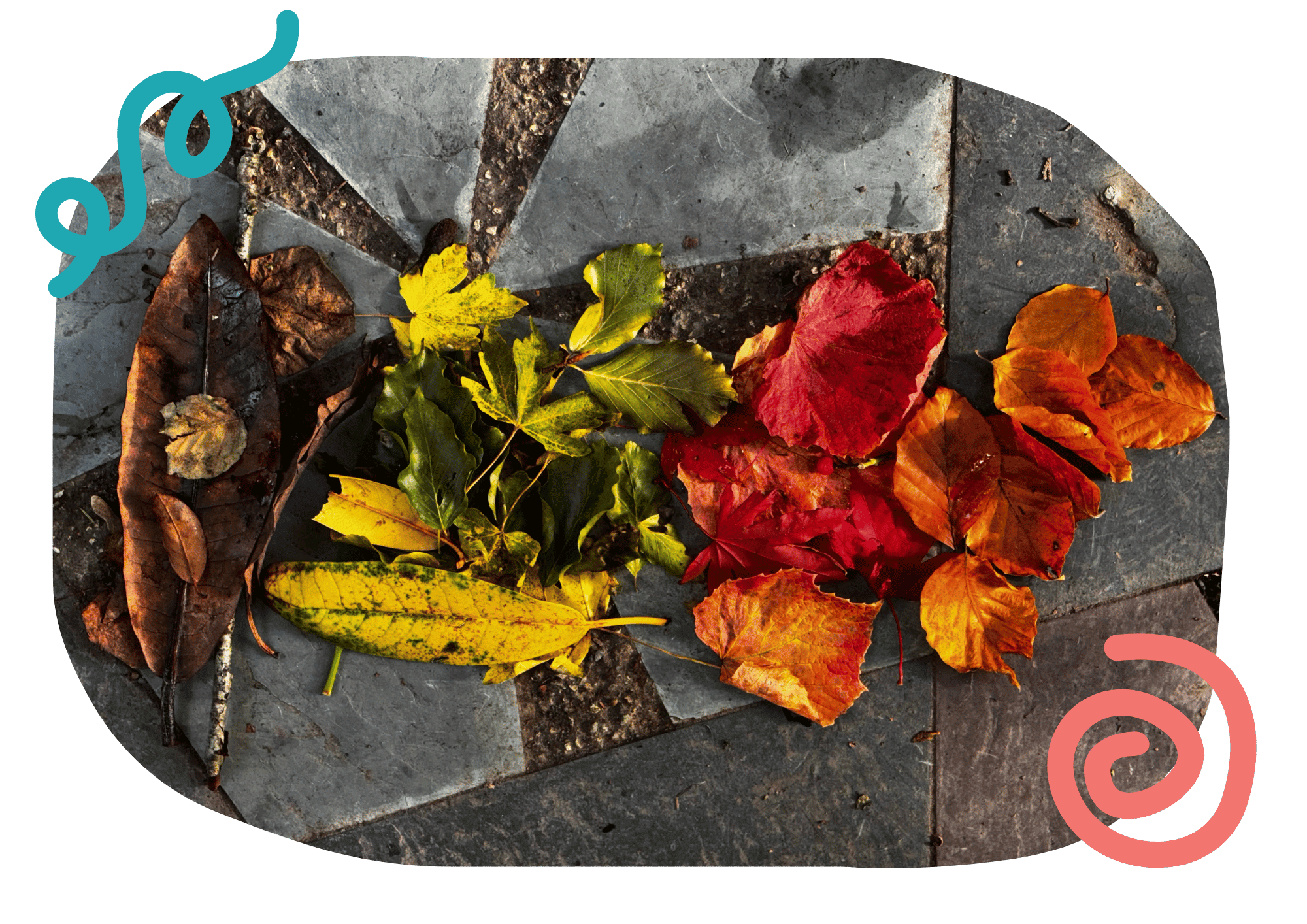
Using fallen leaves, twigs and pinecones, encourage your little one to create their own natural artwork. They might arrange leaves into colourful patterns, use different shapes to create an animal or experiment with layering materials to make something entirely their own.
The activity can be as simple as arranging leaves on a piece of paper or creating a temporary picture on the ground. There's no need for glue or a permanent finished piece, allowing children to move materials around, change their ideas and explore different possibilities.
If your child would prefer a starting point, our autumn hedgehog stencil provides a base for creativity. They could use fallen leaves to create the hedgehog's prickly coat, explore different colour combinations or adapt the design to reflect their own imagination.
Download our Autumn Hedgehog Stencil
How Does Nature Art Help Children Develop Creativity?
At Kindred, we believe creativity is all about exploration and discovery. Natural art gives children the freedom to use their imagination, experiment with different materials and take the lead in their own learning.
- Creativity and imagination: Exploring natural materials encourages children to use their imagination, experiment with different shapes and create something that's uniquely theirs.
- Fine motor skills: Picking up, arranging and positioning leaves and twigs helps develop hand-eye coordination and the small hand movements needed for everyday tasks.
- Self-expression: Choosing different colours, shapes and materials gives children the opportunity to express their personalities, share their ideas and create something that reflects their interests.
- Problem-solving and resilience: Experimenting with different arrangements encourages children to try new approaches, overcome little challenges and discover what works for them.
3. Pinecone Bumblebees: Developing Fine Motor Skills Through Play
Pinecones are a wonderful natural resource for autumn activities, offering different textures and shapes for children to explore.
This pinecone bumblebee craft combines creativity with opportunities to develop coordination, concentration and an interest in the natural world.
You'll need:
- A small, dry pinecone
- Some yellow wool or string
- White tissue paper or scrap paper for wings
Start by allowing your child to explore the materials and think about how they could turn their pinecone into a bumblebee.
They can carefully wrap the yellow wool around the pinecone to create stripes, before adding small wings made from tissue paper.
Encourage your little one to experiment with how they attach the materials, giving them time to work things out independently and offering support when needed.
There's no expectation for every bee to look the same. Children might choose to add extra colours, change the shape of the wings or create an entirely different creature using the same materials.
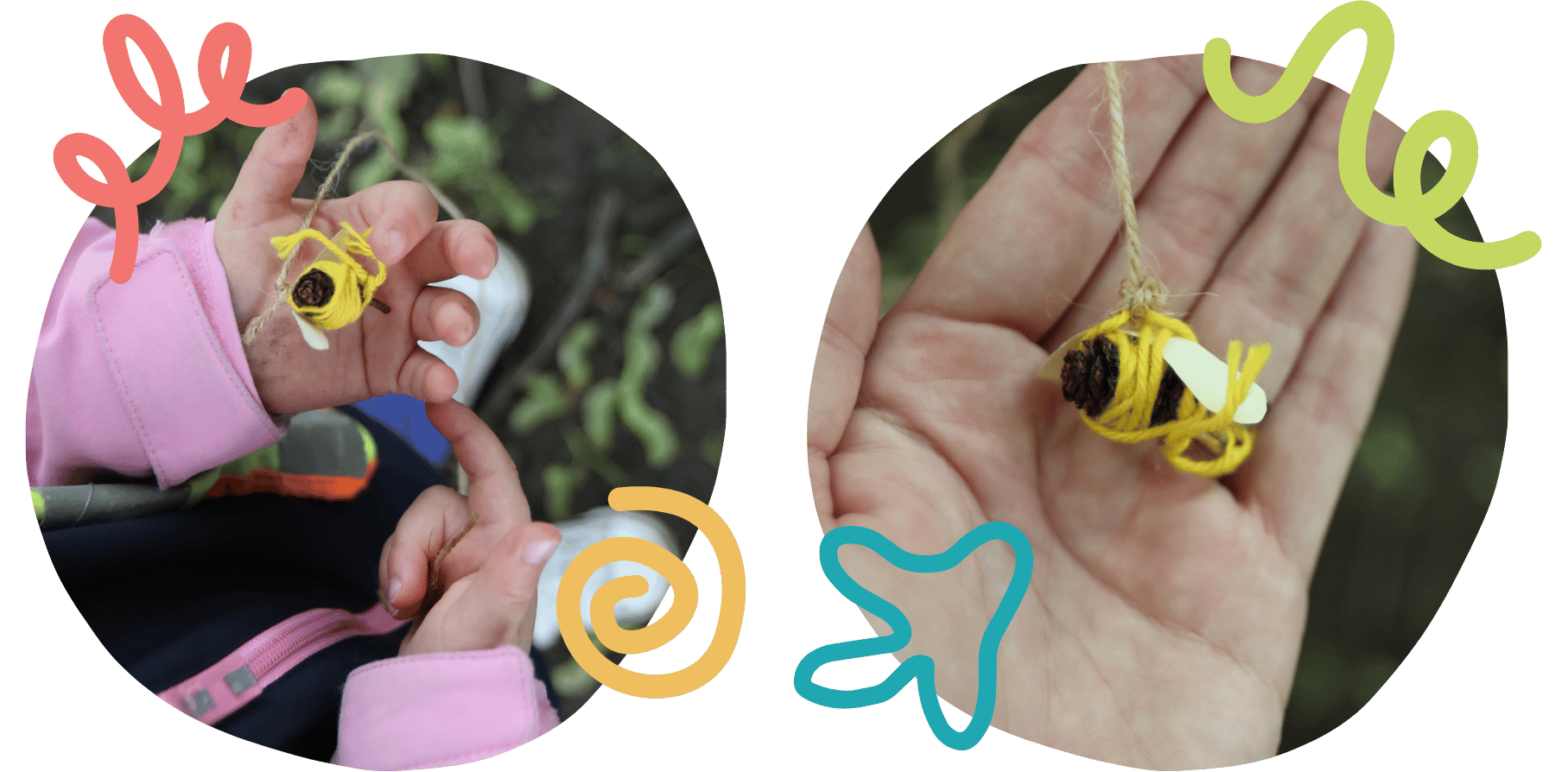
Little Hands, Big Discoveries
Turning a pinecone into a bumblebee is more than just a fun autumn craft. From carefully wrapping wool to discovering more about the insects in our gardens, this simple activity offers plenty of opportunities for your little one to learn and grow.
- Hand-eye coordination: Carefully wrapping wool around the pinecone and adding wings helps children practise controlling their movements and using both hands together.
- Determination and perseverance: Working out how to wrap the wool or attach the wings encourages children to keep trying when something doesn't quite go to plan, building resilience along the way.
- Exploration and discovery: Experimenting with different materials helps children understand how things work, from the texture of a pinecone to how wool can be wrapped and secured.
- Understanding and caring for nature: Learning about bumblebees and their important role in helping plants grow encourages children to appreciate the little creatures that share our world.
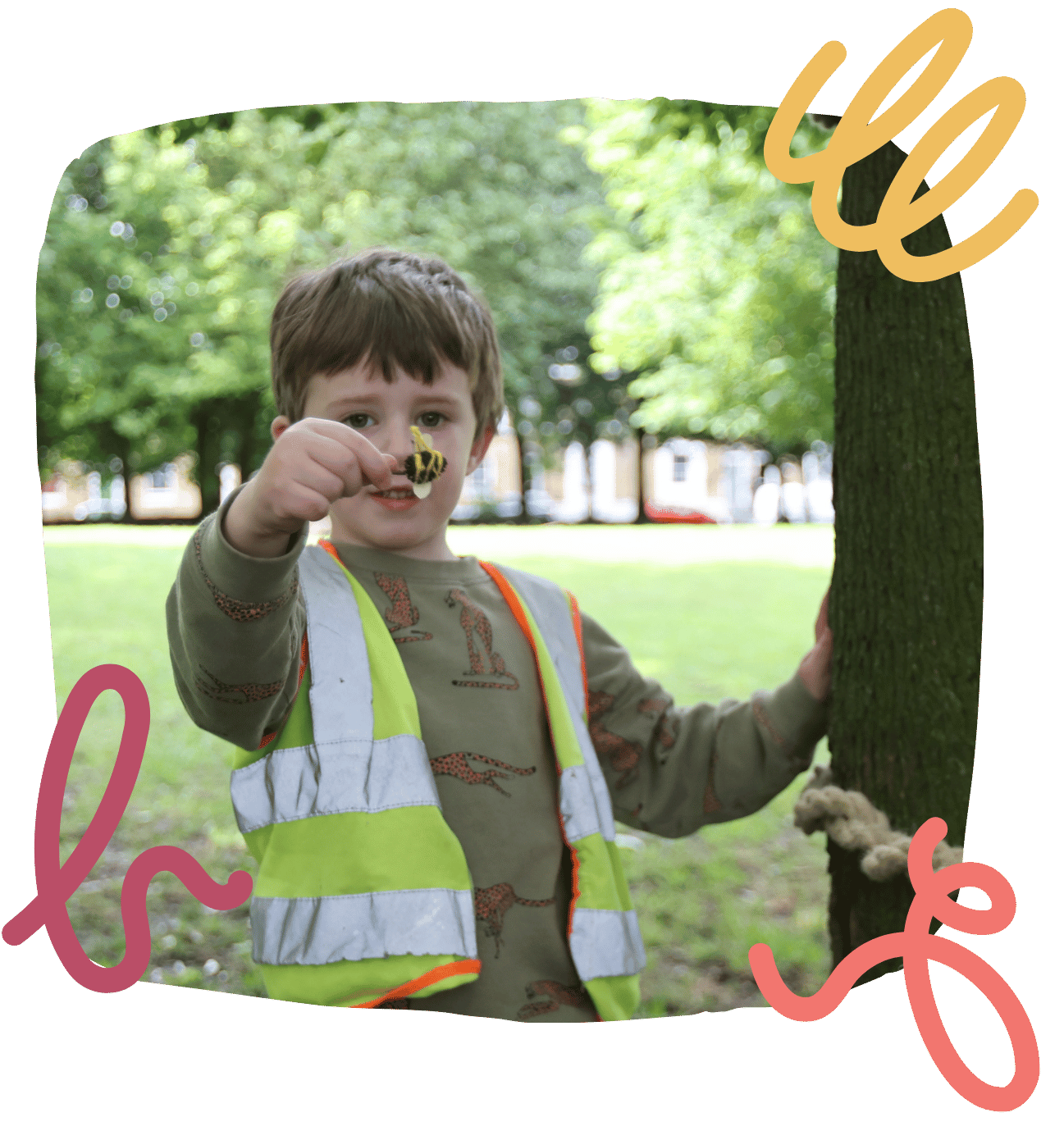
Grown-up tip: Always supervise activities involving string and small natural materials. Check pinecones for sharp edges and insects before using them indoors.
Finding Awe and Wonder in Little Adventures
At Kindred, we believe some of the most meaningful learning experiences begin with the simplest things. From collecting colourful leaves to creating something wonderful with natural materials, everyday moments offer opportunities for children to explore, experiment and follow their curiosity.
Through these little adventures, children can develop their creativity, communication and coordination, while learning to overcome challenges, appreciate the natural world and grow in confidence. By giving your little one the freedom to make their own choices, try new things and discover what works for them, you're helping to nurture their independence and resilience.
This is at the heart of our Kindred Pedagogy, where we encourage children to lead their own learning, explore their individual interests and experience moments of awe and wonder in the world around them.
As the days grow shorter, autumn reminds us that there's still so much to discover outdoors. Whether it's a colourful leaf on the walk home from nursery or a pinecone found in the garden, even the smallest discoveries can inspire wonderful learning experiences.
So, wrap up warm, embrace the changing seasons and enjoy making the most of those little moments together.