
How we Create Confident, Fearless Learners
Inspiring Awe & Wonder
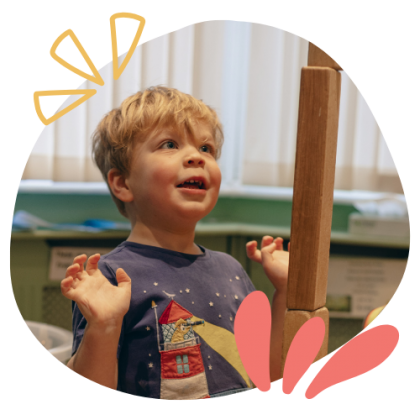
We know every child is unique and full of potential and as practitioners it is our job to create worlds of awe and wonder that spark their curiosities and imaginations.
We do this through the Kindred Pedagogy; our unique approach to learning rooted within the Government Curriculum. It’s all about the daily experiences, opportunities, and relationships we cultivate to encourage early child development.
Designed by early years experts its goal is to help every child in the Kindred family become fearless and confident individuals with a lifelong passion for learning.
Want to find out more about how we implement our pedagogy within our settings, day to day?
The 'What and Why'
Take a glimpse into how our award-winning Kindred pedagogy comes alive - making learning both magical and meaningful for every child.
-
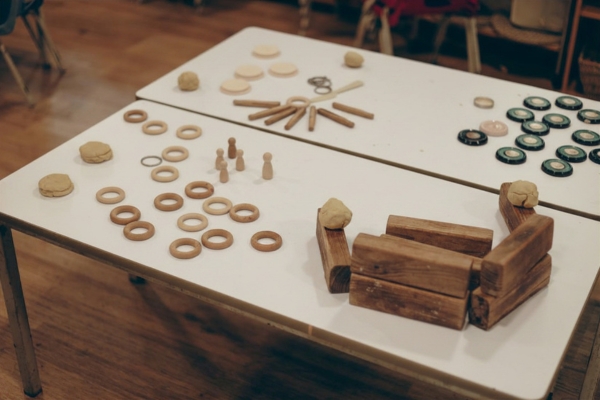
Loose Parts
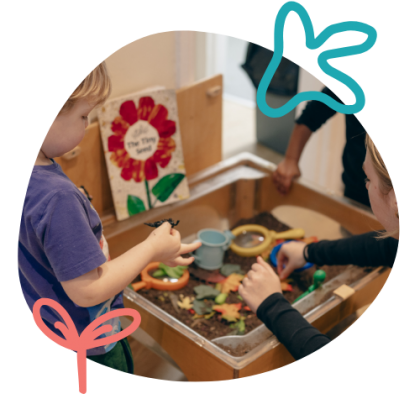
Loose parts are open-ended materials that children can move, combine, redesign, and manipulate. They are often things you may find around the house or out in nature, such as wooden pegs, curtain rings, cotton spools, pinecones, leaves, sticks and acorns.
-
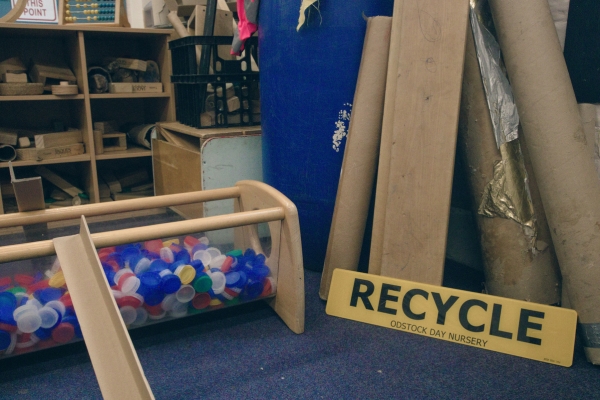
Loose Parts
Loose parts play matters because it encourages creativity, problem-solving, imagination, exploration, and independent or collaborative play. Children explore, experiment, and make decisions independently, developing fine motor skills, spatial awareness and imagination.
-
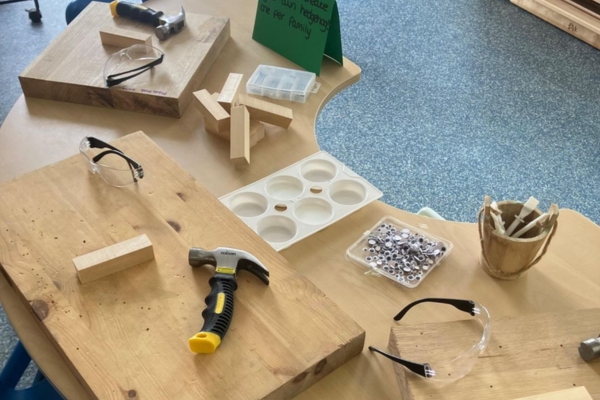
Risky Play
Risky play matters because it helps children build confidence, resilience and essential life skills. When children climb, balance, jump, or test their own limits, they learn to assess danger, make decisions, and manage risk safely. Through these experiences, they develop physical strength, coordination, problem-solving abilities, and emotional self-regulation, all while gaining a deep sense of achievement and independence.
-
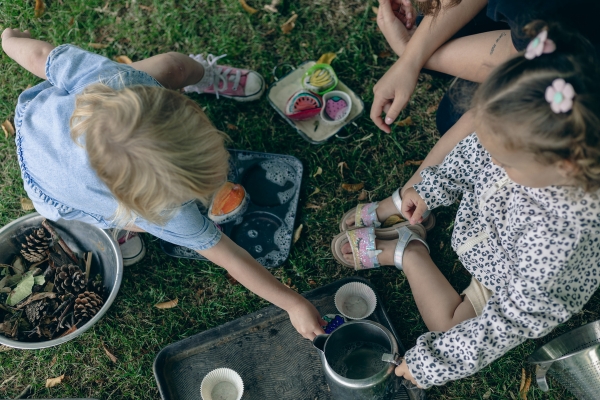
Outdoor Learning
Outdoor play is a vital part of every day at Kindred, whatever the weather. Inspired by Scandinavian principles, we encourage children to explore, move, and learn in the fresh air year-round, building resilience, confidence, and a love of nature. Time outdoors supports physical development, wellbeing, and curiosity, and we even enjoy some naps outside, helping children rest, reset, and thrive in a calm natural environment.
-
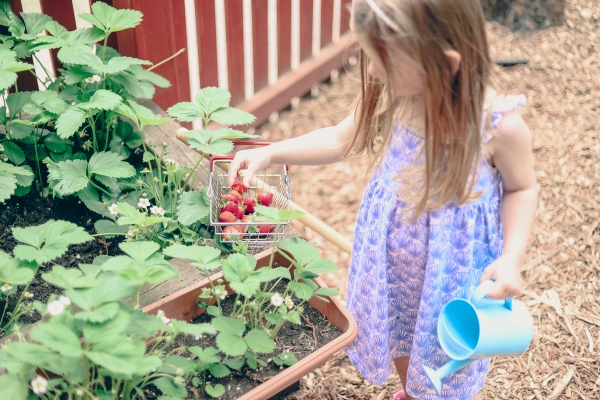
Plant to Plate Initiative
Our Plant to Plate initiative helps children connect with the food they eat through hands-on experiences. By growing, preparing, and tasting fresh ingredients, they learn where food comes from, build healthy habits, and develop confidence, teamwork, and practical skills.
-
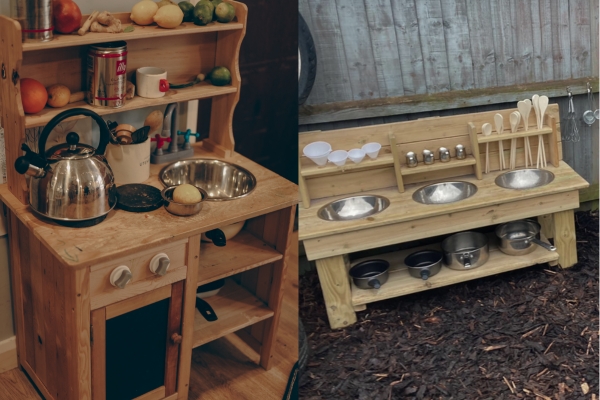
Purposeful Spaces
We mirror activities indoors and outdoors to give children a consistent learning experience and social interaction across different environments. It also allows children who may prefer one setting over another to engage fully, while encouraging them to adapt and apply skills in multiple situations, supporting a well-rounded and balanced development.
-
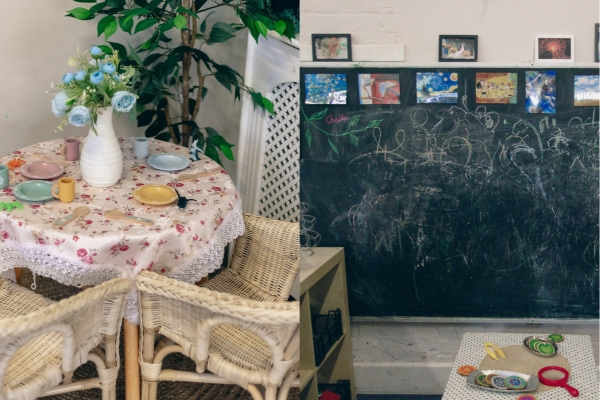
Purposeful Spaces
We thoughtfully design our nursery environments to reflect the unique needs, interests, and stages of development of the children within them. Every space is carefully curated to feel welcoming, inspiring, and purposeful, with resources and experiences tailored to spark curiosity, encourage independence, and support every child to learn in the way that suits them best.
Want to take a deepdive into our award-winning pedagogy?
School Readiness
School Readiness is all about helping a child build the confidence, resilience, and adaptability they need to flourish within a school environment.
Nursery serves as the foundation for school, and from the very first moment a child joins the Kindred family, we work to develop these crucial skills in engaging and fun ways tailored to the unique needs of each child.
Some of the way our nurseries build school readiness include:
- Introducing books linked to school readiness to help get children thinking and talking about the transition.
- Practicing school activities such as P.E., morning registration, and circle time.
- Developing fine motor skills through play, such as playdough, threading or mark making activities.
- Introducing basic phonics through music and movement.
- Celebrating the transition to school with an annual summer graduation for our leavers.
Experience our Unique Approach to Learning