
Blog
Understanding School Readiness: A Guide for Families
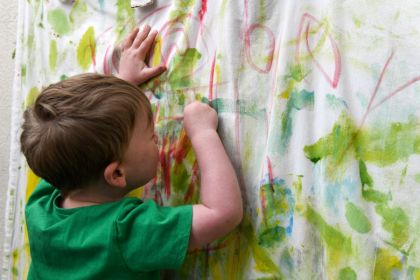
School readiness is much more than just knowing the alphabet or being able to read and write. Actually, this journey is most importantly centred around nurturing your little one's confidence, indepence, and adaptibility from their very first day of nursery.
At Kindred Nurseries, we are committed to preparing each and every child in a way that works best for them to ensure they can comfortably and confidently make the transition to school.
What does 'School Readiness' mean?
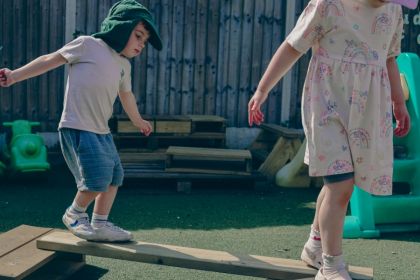
Whilst essential practical skills such as using cutlery, being toilet trained, and getting dressed independently are a signficant part of the process, true school readiness encompasses a much broader development of emotional and social skills.
Fundamentally, it involves helping a child build confidence, foster resilience and develop the ability to easily adapt to new situations, all of which ensure they can flourish within a school environment.
Nursery serves as the foundation for school, and from the very first moment a child joins us, our efforts begin to build these crucial skills in a variety of fun and engaging ways that are tailored to the needs of each individual child.
Kindred Odstock and Kindred White Post are both renowned within their local communities for their tailored approaches to supporting this journey. We sat down with the teams to discover how they encourage school readiness in their settings.
Kindred White Post: Building Routine and Community
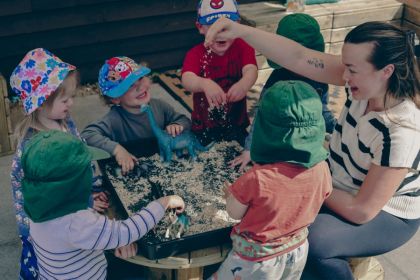
At Kindred White Post, the busy environment naturally helps the children get used to larger classrooms, sharing and turn taking. To further prepare children the team focuses on these key strategies:
- Introducing books linked to school readiness in their pre-school room which helps get the children thinking and talking about school. They offer a wide variety of stories that cover different themes and situations that every child can relate to, no matter what stage of the process they're at.
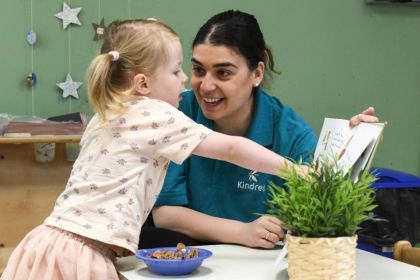
- Hosting parents' evenings that allow families and staff to connect and discuss how a child is progressing and their next steps. For pre-school families it is also a great opportunity for parents to ask the team specific questions about the transition process.
- Introducing school activities in the pre-school room, such as bringing in a P.E. kit so the children can practice getting changed or using circle time to practice turn taking which helps prepare children for classroom expectations.
- Regularly celebrating achievements - big and small - including the summer graduation party for our school leavers which also helps emphasise the move to school as a positive transition the children should look forward to.
- Always giving children the time to talk and express themselves without interruption which helps to build their confidence and sense of self.
Kindred Odstock: Personalised Preparation and Skill Development
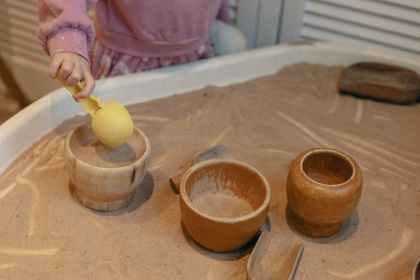
Kindred Odstock focuses on a comprehensive, personalised approach to ensure every child feels ready and capable. Their approach includes:
- Running P.E. sessions in the pre-school room where children are expected to dress and undress independently and ensure all their belongings are safely packed away afterwards.
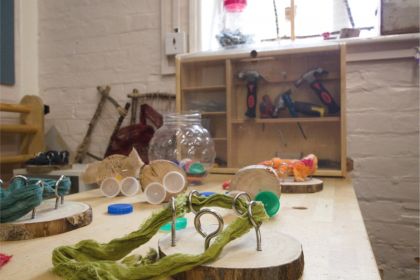
- Developing fine motor skills through play, such as using playdough, threading, or twisting hooks into wooden blocks, which helps build the necessary muscle coordination for writing. Staff avoid teaching children to write formally because different schools utilise varying approaches and thus, it can be detrimental if it conflicts with the school's own instruction.
- Supporting children with Special Education Needs (SEN) through an enhanced transition, which includes creating a comprehensive report with the family and the child's new teacher to share what works best for the child.
- Introducing basic phonics through music and movement, such as singing and clapping to make learning letters and sounds fun and using mirrors to help children observe their mouths when sounding out letters.
- Exposing children to text from an early age, including writing their names on table placemats and using name cards that feature an animal corresponding to the first letter of the child's name.
- Maintaining strong relationships with families and providing parents with supportive tools to help prepare them from the transition, such as a comprehensive transition booklet and in person workshop.
Top Tips for a Positive Transition
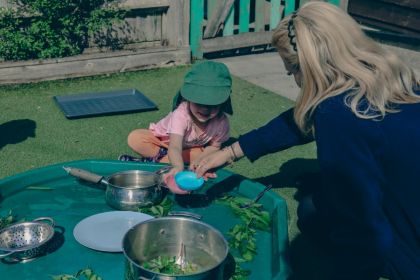
The teams from Kindred Odstock and Kindred White Post also shared their expert top tips that families can replicate at home to encourage a smooth transition to school.
- Foster Familiarity: Create a picture book featuring your little one's new classroom, teacher, and route to school that they can look at regularly to build comfort.
- Be Conscious: Children can pick up on parental worries, so remaining positive and mindful of where and whom you discuss any concerns about school or the transition is crucial.
- Create Control: Allow your child to pick out their own lunchbox and backpack to build excitement and provide them with a sense of control in a situation where they can often feel quite disempowered.
- Validate Emotions: If a child is struggling with the upcoming transition they may express anxiety or act it, it's important to name and explain those emotions as they appear so your child can better understand and regulate those feelings.
- Maintain Realistic Expectations: Present a balanced view of school to avoid creating unrealistic expectations which are often difficult to meet and can leave a child feeling disappointed.
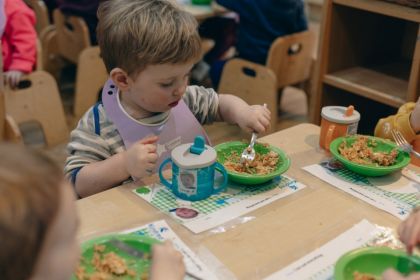
- Promote Independence: Encourage your child to complete tasks independently, such as putting on their own shoes or feeding themselves to help build those essential life skills.
- Use Mindful Language: Avoid terms like "big school", which can inadvertently make the transition seem more daunting for a child.
Embracing the Journey Ahead
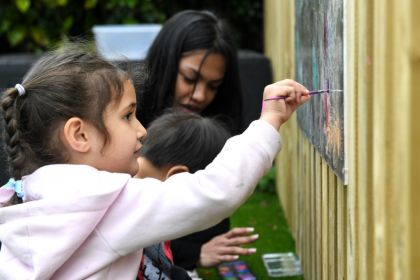
Preparation for school is a partnership between home and nursery, and taking small, consistent steps can make a huge difference. By focusing on confidence and emotional regulation, families can navigate this transition with positivity. Remembering that every child develops at their own pace helps ensure the experience remains encouraging and supportive.